A Complete Guide to Building Independence Through Life Skills
Practical skills for confidence, responsibility, decision-making, and everyday independence

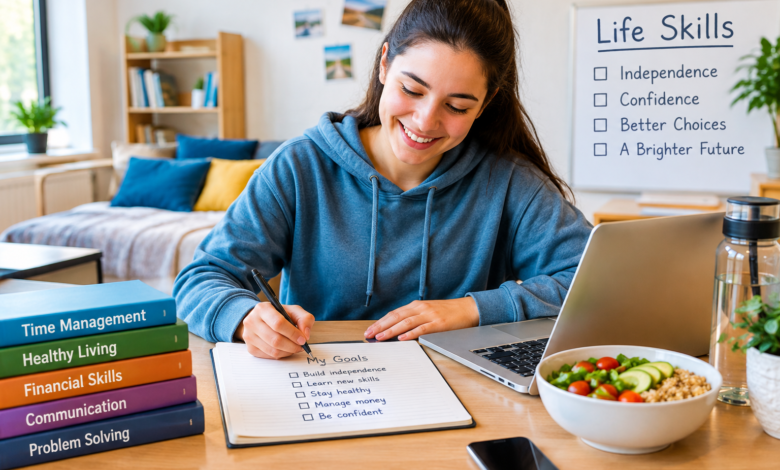
Introduction
Independence is not simply about doing everything alone. It means developing the knowledge, confidence, judgment, and practical abilities needed to manage everyday responsibilities and make thoughtful choices. Building independence through life skills is a gradual process that can begin with simple tasks and become stronger through regular practice.
Life skills include cognitive, personal, and interpersonal abilities that help people respond constructively to everyday challenges. UNICEF highlights skills such as problem-solving, communication, critical thinking, decision-making, self-management, resilience, empathy, and cooperation as important transferable abilities.
Whether someone is preparing for greater responsibility at home, school, work, or in the community, life skills provide a practical foundation. The goal is not perfection. Instead, it is to become increasingly capable of understanding situations, choosing appropriate actions, learning from mistakes, and asking for help when necessary.
What Does Building Independence Through Life Skills Mean?
Building independence through life skills means learning how to handle responsibilities with increasing confidence and appropriate support. A person who develops independence can organize tasks, communicate needs, solve everyday problems, make decisions, manage resources, and adapt when circumstances change.
The World Health Organization identifies core life skills including decision-making, problem-solving, critical thinking, creative thinking, communication, interpersonal relationships, self-awareness, empathy, and coping with stress and emotions.
These abilities are connected. For example, managing a weekly schedule requires planning, decision-making, self-management, and problem-solving. Communicating with another person may require listening, empathy, confidence, and emotional control.
Why Life Skills Are Important for Independence
Academic knowledge is valuable, but everyday life also requires people to apply knowledge in practical situations. Someone may understand mathematics but still need to learn how to plan expenses. A student may perform well in school but also need communication and time-management skills.
UNICEF describes transferable skills as abilities that help young people navigate challenges and connect learning with school, work, relationships, and other areas of life.
Strong life skills can help people:
- Make informed decisions
- Organize daily responsibilities
- Communicate clearly
- Solve problems more effectively
- Manage emotions and stress
- Build positive relationships
- Set realistic goals
- Become more confident
- Adapt to changes
- Take responsibility for choices
Independence therefore develops from a combination of practical ability and personal confidence.
Self-Management and Daily Organization
One of the first steps toward independence is learning to manage everyday responsibilities. This includes keeping track of tasks, preparing for commitments, maintaining personal belongings, and creating routines.
A simple daily schedule can make responsibilities easier to understand. Tasks can be divided into categories such as school or work, household responsibilities, personal time, and future goals.
Time management is especially useful because it helps people decide what needs attention first. Instead of trying to complete everything simultaneously, important tasks can be prioritized and divided into manageable steps.
Small routines can make a significant difference. Preparing belongings the night before, keeping a calendar, organizing study materials, and setting reminders are practical examples of self-management.
Decision-Making Builds Confidence
Independent people still seek advice when necessary, but they also learn how to evaluate choices themselves. Decision-making involves identifying options, considering possible consequences, and selecting an appropriate course of action.
UNICEF’s life-skills resources emphasize weighing options and seeking appropriate help when making decisions.
A useful decision-making process can include four questions:
- What exactly is the decision?
- What choices are available?
- What could happen with each choice?
- Do I have enough information to decide?
For important decisions, it is sensible to speak with a trusted parent, teacher, mentor, or another responsible adult. Asking for guidance is not a failure of independence. Knowing when to seek reliable support is itself an important life skill.
Problem-Solving for Everyday Challenges
Problems are a normal part of life. Independence does not mean avoiding problems; it means becoming better at responding to them.
Problem-solving begins by clearly identifying what is wrong. The next step is to consider possible solutions rather than reacting immediately. UNICEF describes problem-solving as identifying an issue, developing logical solutions, and evaluating whether the chosen solution works.
For example, if a person repeatedly forgets important tasks, the solution might involve creating a checklist or using a calendar. If a project feels overwhelming, breaking it into smaller steps may make it more manageable.
Mistakes can also become learning opportunities. After a problem has been addressed, asking what worked, what did not, and what could be changed next time helps develop stronger judgment.
Communication and Interpersonal Skills
Independence does not mean becoming isolated. Strong communication helps people explain their needs, listen to others, handle disagreements, and build healthy relationships.
Good communication includes speaking clearly, listening carefully, asking questions, and respecting different viewpoints. UNICEF identifies communication, cooperation, empathy, and relationship-building among important life skills.
Practical communication habits include:
- Listening without immediately interrupting
- Asking for clarification when something is unclear
- Expressing disagreement respectfully
- Explaining needs clearly
- Saying thank you and acknowledging help
- Apologizing when appropriate
- Asking for support before a problem becomes overwhelming
These skills make it easier to work with classmates, colleagues, family members, and community members.
Financial Skills and Responsible Choices
Learning basic money management is another important part of independence. Financial skills can include understanding needs and wants, planning spending, saving for goals, and thinking carefully before making purchases.
The Consumer Financial Protection Bureau provides youth financial education activities covering budgeting, spending decisions, saving, emergency savings, and distinguishing needs from wants.
A simple approach is to divide money into clear purposes. Someone might identify essential expenses, savings goals, and optional spending. Keeping a basic record of spending can also reveal where money is going.
Financial independence develops gradually. Learning responsible habits early can make future decisions easier, while important financial commitments should be discussed with a trusted adult when appropriate.
Self-Care and Personal Responsibility
Personal responsibility includes taking reasonable care of health, hygiene, belongings, routines, and personal safety. These responsibilities are ordinary but important parts of becoming more capable.
Self-care can involve getting adequate rest, eating regular nutritious meals, maintaining personal hygiene, staying active in age-appropriate ways, and making time for relaxation. It also includes recognizing when a situation is difficult enough to require support.
Independence should never mean refusing help. Everyone needs support sometimes, and recognizing personal limits is a sign of good judgment rather than weakness.
Critical Thinking and Information Skills
Modern life requires people to evaluate information carefully. Online content can be incomplete, misleading, outdated, or presented without sufficient evidence.
Critical thinking means examining information before accepting it as true. It involves asking where information came from, whether the evidence is reliable, and whether other explanations are possible.
UNICEF includes critical thinking and creativity among important transferable skills for learning and problem-solving.
Developing this skill can help people make better choices at school, online, and in everyday situations.
Goal Setting and Motivation
Independence becomes easier when large ambitions are turned into realistic goals. Instead of saying, “I want to become more organized,” a person can create a specific goal such as, “I will prepare tomorrow’s materials before going to bed.”
Goals should be realistic, measurable, and flexible. Progress can be reviewed regularly, and goals can be adjusted when circumstances change.
UNICEF identifies goal setting, confidence, decision-making, problem-solving, and leadership among life skills that can be developed through active learning and practice.
Small achievements build confidence. Completing one responsibility successfully can make the next responsibility feel more manageable.
Emotional Awareness and Resilience
Independence also requires emotional skills. People experience disappointment, frustration, uncertainty, and stress. Learning to recognize emotions and respond constructively can improve decision-making and relationships.
Resilience does not mean pretending that difficulties do not matter. It means developing ways to recover, learn, and continue moving forward with appropriate support.
Helpful strategies can include taking a short break, writing down concerns, talking to someone trustworthy, organizing the problem into smaller steps, and focusing on what can realistically be controlled.
UNICEF’s life-skills frameworks include resilience, self-management, self-awareness, and coping skills as important parts of personal development.
Learning Through Real-Life Practice
Life skills are strongest when they are practiced rather than simply memorized. UNICEF recommends approaches that involve participation, cooperation, practice, and real-life experiences.
Practical activities can include:
- Planning a simple daily schedule
- Preparing a basic meal with appropriate supervision
- Organizing a personal workspace
- Comparing options before making a purchase
- Practicing polite communication
- Creating a savings goal
- Solving a routine household problem
- Planning a school or personal project
- Reviewing what went well after completing a task
The level of responsibility should match a person’s age, abilities, experience, and circumstances. Independence grows best when people receive enough freedom to practice while still having appropriate guidance and safety support.
How Parents, Teachers, and Mentors Can Help
Supportive adults can encourage independence without expecting someone to handle every situation alone. One effective approach is to give appropriate choices, explain responsibilities, allow reasonable opportunities to practice, and discuss mistakes without unnecessary criticism.
Instead of immediately solving every small problem, an adult can sometimes ask, “What do you think would be a good next step?” This encourages thinking and decision-making while keeping appropriate support available.
Life-skills education can also use role-play, discussion, group activities, written exercises, and practical experiences.
A Simple Life Skills Development Plan
Building independence does not require changing everything at once. A gradual plan may work better.
Step 1: Identify one skill.
Choose something practical, such as time management or communication.
Step 2: Set a small goal.
Make the goal specific enough to practice regularly.
Step 3: Practice consistently.
Use real situations rather than relying only on theory.
Step 4: Review progress.
Consider what worked and where improvement is needed.
Step 5: Increase responsibility gradually.
Once a task becomes familiar, take on a slightly greater level of responsibility.
Step 6: Ask for feedback.
A trusted adult, teacher, coach, or mentor can provide useful suggestions.
This approach makes independence a process rather than a single achievement.
Common Mistakes to Avoid
Building independence can be slowed by unrealistic expectations. Expecting immediate perfection may create unnecessary frustration. Another mistake is believing that asking for help means someone is not independent.
It is also unhelpful to compare one person’s progress with another person’s. People develop skills at different rates and face different circumstances.
A better approach is to focus on steady improvement. The important question is not whether someone can do everything alone, but whether they are gradually becoming more capable, responsible, thoughtful, and confident.
Conclusion
A Complete Guide to Building Independence Through Life Skills begins with a simple idea: independence is developed through practice. Time management, decision-making, problem-solving, communication, financial awareness, emotional skills, critical thinking, and self-care all contribute to greater everyday capability.
Life skills are not fixed traits. They can be learned, practiced, strengthened, and adapted throughout life. Reliable guidance, real-world experience, and appropriate support can make the process more effective.
The best path toward independence is therefore not to demand that people manage everything alone. It is to provide opportunities to learn, make appropriate choices, solve manageable problems, reflect on mistakes, and gradually take greater responsibility. With patience and consistent practice, everyday life skills can become lasting foundations for confidence and responsible independence.




