Low Cost Analogue Hobbies UK: Affordable Ways to Unplug
Affordable Screen-Free Activities to Enjoy Every Day

Introduction
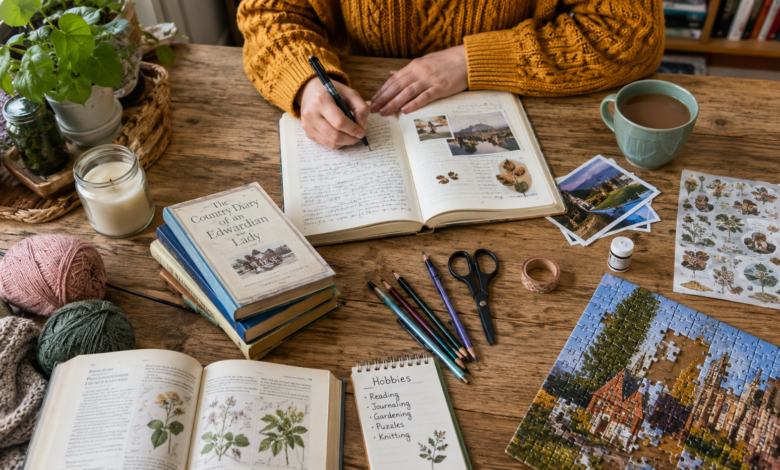
In a world dominated by smartphones, streaming and social media, low cost analogue hobbies UK searches are becoming increasingly relevant for people who want enjoyable ways to spend time away from screens. Analogue hobbies are activities that involve physical materials and hands-on participation, such as reading, drawing, journaling, knitting, puzzles, gardening and crafts.
Interest in analogue activities has grown during 2026, with recent coverage highlighting everything from needlework and reading to birdwatching and journaling as popular screen-free pastimes.
The good news is that you do not need an expensive hobby room or specialist equipment. Many activities can begin with things already sitting around your home.
What Are Analogue Hobbies?
Analogue hobbies are activities that can be enjoyed without relying on digital devices. Instead of using a phone or computer, they encourage you to work with physical objects such as books, paper, pencils, thread, cards, plants or puzzles.
The appeal is partly their simplicity. A journal can replace a notes app, a paperback can replace an e-reader, and a crossword book can provide a screen-free alternative to scrolling.
Many analogue hobbies also produce something tangible. You might finish a drawing, complete a puzzle, grow a plant or fill several pages of a notebook.
Why Are Cheap Analogue Hobbies Popular in the UK?
One reason for the renewed interest is the desire to take regular breaks from screens. Recent reporting has described analogue hobbies as a growing way to spend free time more intentionally, with activities such as knitting, crochet, cross-stitch, colouring and reading requiring relatively little equipment.
Another advantage is flexibility. You can enjoy many hobbies at home, on public transport, in a park or while relaxing during a quiet evening.
For people on a budget, analogue activities can also be easier to control financially because you can start small rather than buying expensive equipment immediately.
1. Reading Second-Hand Books
Reading is one of the simplest low-cost analogue hobbies. Instead of buying every new release, look for second-hand books, charity-shop finds, library collections or books you can borrow from friends and family.
You can explore fiction, biographies, history, science, travel or classic literature without needing complicated equipment.
A particularly useful approach is to choose one book and make it a regular part of your week.
2. Journaling
Journaling only requires a notebook and a pen. You do not need an expensive planner or specialist stationery.
You could write about your day, record interesting ideas, make lists, sketch small pictures or keep track of books you have read.
Journaling is also portable, making it suitable for an analogue bag when travelling or waiting somewhere. Recent UK coverage has highlighted journals as a popular screen-free activity.
3. Drawing and Sketching
A pencil and ordinary paper can be enough to begin drawing.
Try sketching household objects, buildings, trees or scenes from everyday life. The aim does not have to be producing professional artwork. The activity itself can be the hobby.
If you already have coloured pencils or pens at home, you can experiment with different styles without buying a complete art set.
4. Puzzles and Crosswords
Crosswords, word searches, Sudoku and traditional jigsaw puzzles provide inexpensive entertainment without requiring a screen.
Puzzle books can be particularly useful because one purchase may provide many hours of activities.
You can also share traditional puzzles with family members, turning an individual hobby into a social activity.
5. Origami
Origami is another inexpensive choice because the basic material is simply paper.
You can start with ordinary sheets and learn simple folds before progressing to more complicated designs. It is particularly suitable for people who want a small hobby that can be stored easily.
Recent coverage of analogue activities has included origami alongside colouring and other compact creative hobbies.
6. Knitting and Crochet
Knitting and crochet require some initial learning, but beginners can start with a small amount of yarn and basic tools.
Rather than buying large quantities of materials, begin with a simple project. This helps you decide whether you actually enjoy the hobby before spending more.
Knitting and crochet are also portable activities that can be practised during quiet periods away from screens.
7. Scrapbooking and Junk Journaling
Scrapbooking does not have to mean buying expensive decorative supplies.
Old photographs, envelopes, ticket stubs, packaging, magazines and unused paper can become useful materials. Junk journaling is particularly flexible because there are no strict rules about what a page should contain.
UK magazine coverage in 2026 has also highlighted scrapbooking and junk journaling as accessible analogue activities.
8. Gardening From Small Spaces
Gardening can be adapted to your available space. A windowsill, balcony or small outdoor area can be enough for simple plants.
Starting with seeds or inexpensive plants allows you to learn gradually. Reusing containers can also keep costs down.
The hobby combines practical activity with the satisfaction of watching something develop over time.
9. Playing Cards and Traditional Games
A standard pack of playing cards can provide numerous games for individuals or groups.
Traditional board games can also become a social analogue hobby. If you already own games at home, there may be no additional cost at all.
This makes games particularly useful for families or friends who want to replace some screen-based entertainment with shared activities.
10. Letter Writing
Writing a physical letter is an old-fashioned hobby that can feel surprisingly personal.
You only need paper, a pen and an envelope. You can write to a friend or relative, create postcards, or keep handwritten correspondence as a personal project.
Unlike a quick digital message, a handwritten letter gives you a physical record that can be kept and revisited.
How to Keep Analogue Hobbies Affordable
The easiest way to control costs is to start with what you already have.
Before purchasing specialist supplies, check your cupboards, bookshelves and stationery drawer. An old notebook can become a journal, scrap paper can become drawing material, and unused wool can become a small knitting project.
Another useful rule is to complete one project before buying supplies for another. This prevents a hobby from becoming an expensive collection of unused materials.
Second-hand shops, libraries, swaps with friends and community groups can also provide inexpensive ways to discover new interests.
Choosing the Right Hobby
The best hobby depends on what you enjoy and how much time you have.
If you want something quiet, reading or journaling may work well. If you prefer creativity, drawing, origami or scrapbooking could be suitable. For social activities, traditional games and group crafts are worth considering.
Portable hobbies such as journaling, knitting, cross-stitch and puzzle books can also be useful when you want something to do while travelling or waiting.
Final Thoughts
Low cost analogue hobbies UK are not about completely rejecting technology. They are about creating space for activities that involve your hands, attention and imagination.
Reading a second-hand book, drawing with a pencil, completing a crossword, growing a plant or filling a simple journal can provide meaningful entertainment without requiring a major financial investment.
The best approach is to start small, use what you already own and choose an activity that you genuinely enjoy. An inexpensive analogue hobby can become a rewarding part of everyday life without turning into another costly commitment.