Ian Balding: Legendary British Trainer Who Transformed Horse Racing
A Remarkable Life, Mill Reef Legacy, and Kingsclere Success

Introduction
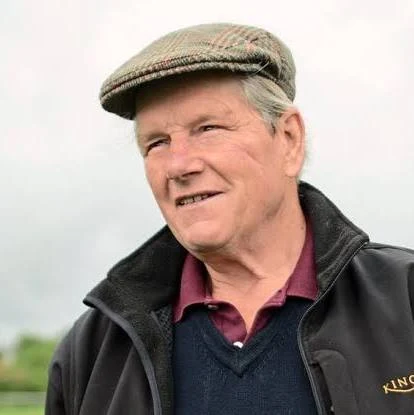
Ian Balding was one of the most respected British trainers of racehorses of his generation. Born in New Jersey in 1938 and raised in Britain, he built a remarkable career that connected elite horsemanship, competitive sport, famous owners, and some of the greatest Thoroughbred horses of the modern era. His name became permanently associated with Mill Reef, whose extraordinary 1971 campaign helped establish Balding among Britain’s leading trainers.
His career was overwhelmingly positive, but it was also marked by difficult moments, including the premature end of Mill Reef’s racing career after a serious injury. Even so, Ian Balding remained an influential figure for more than four decades. His achievements at Kingsclere, his work with champion horses, and the later careers of his children helped create a lasting family legacy in British horse racing.
Quick Bio
| Detail | Information |
|---|---|
| Full Name | Ian Anthony Balding |
| Born | 7 November 1938 |
| Birthplace | Long Branch, New Jersey, United States |
| Died | 2 January 2026 |
| Age at Death | 87 |
| Nationality | British |
| Profession | Racehorse trainer and former amateur jockey |
| Famous For | Training Mill Reef |
| Father | Gerald Matthews Balding |
| Brother | Toby Balding |
| Wife | Emma Hastings-Bass |
| Children | Clare Balding and Andrew Balding |
| Education | Marlborough College, Millfield School, Christ’s College, Cambridge |
| Training Career | 1964–2002 |
| Major Training Base | Park House Stables, Kingsclere |
| Champion Trainer | 1971 |
| Most Famous Horse | Mill Reef |
| Book | Making the Running: A Racing Life |
Early Life and Family Background
Ian Anthony Balding was born on 7 November 1938 in Long Branch, New Jersey. His father, Gerald Matthews Balding, was a successful polo player and racehorse trainer, so horses and competitive sport were already central to his family environment. The family returned to Britain in 1945, giving Ian the opportunity to grow up within the country’s established racing culture.
The Balding family became closely connected with British horse racing. Ian’s brother Toby Balding also became a successful trainer, while Ian’s own children later developed important careers in sport and broadcasting. This family background gave Ian an early understanding of horses, training and the traditions surrounding British racing.
Education and Sporting Development
Balding was educated at Marlborough College and Millfield School before entering Christ’s College, Cambridge, in 1959. At Cambridge, he studied Rural Estate Management, a subject that fitted naturally with his growing interest in land, horses and agricultural life.
He was also an outstanding all-round sportsman. Balding played rugby for Cambridge and gained his Blue in 1961 as a full-back. His sporting ability was not limited to rugby, because he was also developing as an amateur jockey. This combination of academic education and practical sporting experience became valuable when he later entered professional horse training.
From Amateur Jockey to British Trainer
Before becoming a trainer, Balding competed successfully as an amateur rider. One of his most significant achievements came at the Cheltenham Festival in 1963, where he rode a winner. The experience gave him first-hand knowledge of racing pressure, horses and jockeys.
His training career began in 1964. He joined Peter Hastings-Bass at Kingsclere, but Hastings-Bass died from cancer soon afterwards. Balding subsequently took responsibility for the famous stable while still a young man. The opportunity was enormous, but it also brought considerable pressure because Kingsclere already possessed a distinguished history.
Building a Reputation at Kingsclere
The Kingsclere operation quickly became the centre of Balding’s professional life. He inherited a strong group of owners and horses, including connections with Queen Elizabeth II. His early successes at Royal Ascot demonstrated that the young trainer could compete against established names.
Balding’s approach combined horsemanship with close attention to individual horses. He understood that successful training was not simply about physical preparation; it also involved recognising a horse’s temperament, strengths and limitations. That ability helped him manage both talented champions and horses that needed careful development.
Mill Reef and the Defining Year of 1971
The greatest chapter of Ian Balding’s career began with Mill Reef, the exceptional racehorse owned and bred by American philanthropist Paul Mellon. Mill Reef became the horse most closely associated with Balding’s name and transformed his reputation on the international stage.
In 1971, Mill Reef won the Epsom Derby, Eclipse Stakes, King George VI and Queen Elizabeth Stakes and Prix de l’Arc de Triomphe. These victories placed the horse among the outstanding Thoroughbreds of his generation and helped Balding win the British Champion Trainer title at only 32 years of age.
A Triumph Followed by a Tragic Setback
Mill Reef’s success brought enormous recognition to Balding, but the horse’s career ended prematurely in 1972 after a serious leg injury during exercise. The injury prevented Mill Reef from racing again, ending hopes of further major victories.
Although the setback was devastating, Mill Reef survived and later enjoyed an important career as a breeding stallion. His influence continued through his descendants, ensuring that the horse’s legacy extended beyond his racing career. For Balding, the experience became both the greatest triumph and one of the most painful episodes of his professional life.
Other Famous Horses
Mill Reef was not the only champion associated with Balding. Throughout his career, the British trainer handled numerous high-class horses, including Glint of Gold, Mrs Penny, Selkirk, Lochsong, Forest Flower, Diamond Shoal, Gold and Ivory, Dashing Blade, Robellino, Silver Fling, Tagula and Crystal Spirit.
Selkirk became European Champion Miler in 1991, while Lochsong became one of the leading sprinters of her period. These achievements demonstrated that Balding’s reputation did not depend entirely on Mill Reef. He continued producing major winners across different generations and racing categories.
Success Beyond Flat Racing
Although Ian Balding became primarily known as a Flat-racing trainer, his achievements also extended into jump racing. His understanding of horses allowed him to succeed with horses competing under very different conditions.
One notable success came with Crystal Spirit, who won the Sun Alliance Novices’ Hurdle at the Cheltenham Festival in 1991. This victory was another reminder of Balding’s versatility and his ability to develop horses for major competitions.
Royal Connections and Major Owners
Balding’s Kingsclere stable had strong connections with prestigious owners, including Queen Elizabeth II. Royal involvement gave the yard additional historical importance and connected Balding with one of the most recognizable traditions in British racing.
Another major relationship was with Paul Mellon, the owner and breeder of Mill Reef. Their professional association lasted for decades and involved several successful horses. The relationship demonstrated the trust that major owners placed in Balding’s judgement and ability as a trainer.
Marriage and Family Life
Ian Balding married Emma Hastings-Bass in 1969. She was the daughter of Peter Hastings-Bass, the trainer whose Kingsclere operation became such an important part of Balding’s life and career.
The couple had two children, Clare Balding and Andrew Balding. Clare became a prominent broadcaster, journalist and author, while Andrew followed his father into racehorse training. Andrew eventually took over the Kingsclere operation, extending the family’s connection with the historic training centre into another generation.
Ian Balding Career Timeline
| Year | Career Milestone |
|---|---|
| 1938 | Born in Long Branch, New Jersey |
| 1945 | Returned to Britain with his family |
| 1959 | Entered Christ’s College, Cambridge |
| 1961 | Gained his Cambridge rugby Blue |
| 1963 | Won at the Cheltenham Festival as an amateur jockey |
| 1964 | Began training at Kingsclere |
| 1964 | Took responsibility for the Kingsclere stable after Peter Hastings-Bass’s death |
| 1971 | Trained Mill Reef to major international victories |
| 1971 | Became British Champion Trainer |
| 1972 | Mill Reef’s racing career ended following injury |
| 1991 | Major successes with Selkirk and Crystal Spirit |
| 2002 | Retired from training |
| 2003 | Andrew Balding took over the Kingsclere operation |
| 2026 | Died aged 87 |
Career Achievements and Legacy
Ian Balding trained more than 1,700 Flat winners during a career spanning almost four decades, with published accounts also recording more than 100 Group-race victories. His record included major Classic and international victories that placed him among Britain’s most successful trainers.
His greatest achievement remained Mill Reef’s extraordinary 1971 season. However, his broader legacy includes his contribution to Kingsclere, his work with numerous elite horses, his support for people entering racing and the continuation of his methods through his son Andrew.
Retirement and Later Years
Balding retired from training in 2002 after an exceptionally long career. His son Andrew subsequently took over the licence at Kingsclere, ensuring that the family connection with the stable continued.
Retirement did not erase Ian Balding’s importance to racing. His name remained associated with the history of Kingsclere and with the horses that had defined his career. Mill Reef, in particular, continued to represent the extraordinary standard Balding had achieved.
Death and Enduring Importance
Ian Balding died on 2 January 2026 at the age of 87. His death brought widespread tributes from the racing world, with many remembering him not simply as Mill Reef’s trainer but as a talented sportsman, influential mentor and major figure in British racing.
His story remains important because it combines sporting achievement with family tradition. From an amateur jockey and Cambridge sportsman to a champion British trainer, Balding created a career that crossed generations. His influence survives through his family, the horses he trained and the enduring reputation of Kingsclere.
Conclusion
Ian Balding’s life was defined by ambition, horsemanship and an exceptional understanding of Thoroughbred racing. His greatest triumph came with Mill Reef, whose remarkable 1971 campaign gave Balding an enduring place in racing history. His other champions, Royal connections and long association with Kingsclere further established him as a leading British trainer.
The negative moments of his career, particularly Mill Reef’s career-ending injury, could not diminish the overall importance of his achievements. Balding left British racing with a powerful legacy that continued through Andrew Balding and the wider racing community. For many enthusiasts, his name will always be inseparable from one of the greatest horses ever trained in Britain.
Frequently Asked Questions
1. Who was Ian Balding?
Ian Balding was a British racehorse trainer and former amateur jockey best known for training Mill Reef.
2. When was Ian Balding born?
Ian Balding was born on 7 November 1938 in Long Branch, New Jersey, United States.
3. Who was Ian Balding’s father?
His father was Gerald Matthews Balding, a polo player and racehorse trainer.
4. Who was Ian Balding’s wife?
He married Emma Hastings-Bass in 1969.
5. How many children did Ian Balding have?
He had two children, broadcaster Clare Balding and racehorse trainer Andrew Balding.
6. Was Ian Balding related to other racing trainers?
Yes, his brother Toby Balding was also a successful British racehorse trainer.
7. What was Ian Balding famous for?
He was best known for training Mill Reef to the Epsom Derby and Prix de l’Arc de Triomphe in 1971.
8. Where did Ian Balding train horses?
He spent most of his training career at Park House Stables in Kingsclere.
9. When did Ian Balding become a champion trainer?
He became British Champion Trainer in 1971.
10. When did Ian Balding retire?
He retired from racehorse training in 2002, after which his son Andrew continued the Kingsclere tradition.