Discover the Best Sports Locker Solutions with Rayslocker
A practical guide to choosing durable, secure, and organized sports locker solutions

Introduction
A well-designed sports locker room is more than a place where athletes leave their belongings. It is an important part of a sports facility, school, gym, training center, or recreation complex. The right locker solution can improve organization, security, cleanliness, comfort, and the overall appearance of the facility.
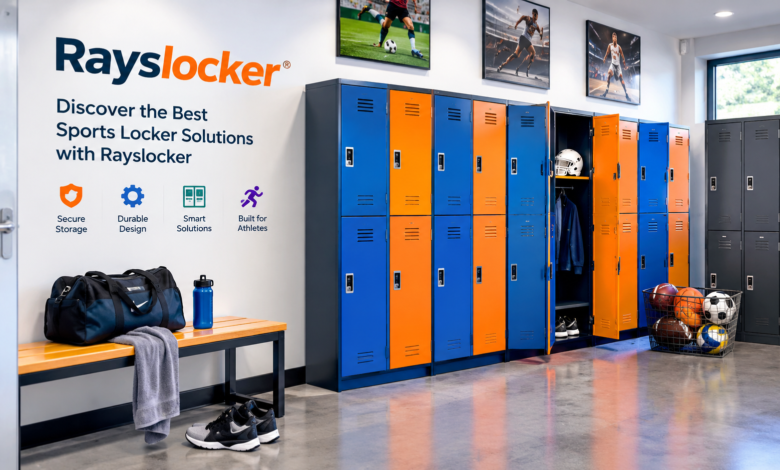
When exploring the phrase Discover the Best Sports Locker Solutions with Rayslocker, it is important to separate branding from product specifications. Sports locker solutions can include individual lockers, team storage, equipment compartments, benches, ventilation systems, and different locking technologies. Modern facilities increasingly look for solutions that combine durability with practical design.
Current locker-room guidance emphasizes capacity, traffic flow, ventilation, accessibility, moisture management, and durable materials as important design considerations.
What Are Sports Locker Solutions?
Sports locker solutions are storage systems designed for athletes and active users. They can be installed in school gyms, professional training centers, fitness facilities, universities, community recreation centers, and other athletic environments.
Unlike basic storage cabinets, sports lockers often need to accommodate clothing, shoes, bags, helmets, protective equipment, and other sports gear. The appropriate configuration depends heavily on the sport and the people using the facility.
For example, athletes involved in sports requiring bulky protective equipment may need larger compartments, while a fitness center may prioritize compact personal storage.
Why High-Quality Sports Lockers Matter
Better Organization
A properly planned locker system gives every user a defined storage area. This can reduce clutter and make it easier for athletes to find their personal equipment.
A well-organized locker room can also help coaches, staff, and facility managers maintain a cleaner environment.
Secure Personal Storage
Security is another major consideration. Sports facilities may have many users entering and leaving throughout the day, so lockers should accommodate an appropriate locking system.
Depending on the facility, options can include traditional keys, combination systems, RFID access, or electronic locks. The locking system should be selected according to the facility’s security requirements and maintenance capabilities.
Improved Use of Space
Locker rooms often have limited floor space. A thoughtful layout can use vertical space effectively while preserving comfortable walkways and practical access.
Sports locker designs may include single-tier, double-tier, Z-style, and multi-compartment configurations. The best choice depends on the type and quantity of equipment users need to store.
Choosing the Right Sports Locker Material
Material selection can significantly influence durability and maintenance.
Powder-Coated Steel
Steel remains a common choice for high-traffic locker rooms because it offers structural strength and practical durability. Proper finishing can help protect the surface during regular use.
HDPE Plastic
High-density polyethylene can be useful in environments where moisture is an important concern. Some commercial locker systems use HDPE because it can resist moisture, impact, and certain forms of surface damage.
Phenolic and HPL Materials
Phenolic and high-pressure laminate materials are also used in athletic environments. Their performance can make them suitable for demanding areas, particularly when moisture resistance and easy cleaning are priorities.
The best material should therefore be selected according to the environment rather than appearance alone.
Design Features to Look For
Ventilation
Sports equipment can become damp after training. Ventilated locker doors and appropriate airflow can help manage moisture and odors.
Ventilation is particularly important in facilities connected with swimming, showers, or other high-humidity environments.
Integrated Seating
Benches positioned near locker banks can make changing easier and provide additional functionality. Some custom athletic locker systems combine seating with concealed storage, creating a more efficient use of available space.
Equipment Storage
A sports locker room may require more than individual personal lockers. Teams can also need dedicated areas for balls, bats, helmets, uniforms, bags, and other equipment.
Separating personal storage from shared equipment storage can make the room easier to manage.
Accessible Design
Accessibility should be considered from the beginning of the planning process. Locker locations, pathways, seating, and surrounding circulation should support a broad range of users.
Good locker-room planning considers accessible routes alongside capacity and traffic flow.
Sports Locker Solutions for Different Facilities
School Locker Rooms
Schools typically need lockers that can withstand frequent daily use. Students may store uniforms, shoes, bags, and personal belongings.
A practical school locker room should also provide clear circulation and easily accessible equipment storage.
Fitness Centers
Gyms and fitness clubs often require compact lockers that can handle repeated use. Cleanability, security, ventilation, and appearance are particularly important.
Because fitness facilities may experience constant user turnover, hardware and surfaces should be selected with frequent opening, closing, and cleaning in mind.
University Athletic Facilities
University sports programs may require more specialized storage. Athletes can need space for equipment specific to their sport, while the locker room may also represent an important part of the institution’s identity.
Modern athletic facilities may incorporate team colors, personalized nameplates, lighting, integrated seating, and branded elements.
Professional Sports Facilities
Professional environments often require customized solutions that combine storage performance with a distinctive visual identity.
Custom athletic locker projects can include specialized equipment areas, premium finishes, personalized storage, and integrated technology.
How to Select the Best Locker Configuration
Before choosing a locker system, facility managers should consider several questions.
First, determine how many people will use the room during peak periods. Second, identify what users need to store. Third, consider whether the environment contains showers or other moisture sources.
The facility should also assess cleaning requirements, security preferences, available floor space, accessibility, maintenance needs, and future expansion.
Thinking about the locker room as a complete system rather than a collection of individual lockers can produce a more practical result.
Maintenance and Long-Term Performance
Even high-quality sports lockers require routine care. Regular cleaning helps preserve surfaces and supports a more hygienic environment.
Facility managers should inspect hinges, handles, locks, ventilation openings, benches, and other frequently used components. Damaged hardware should be repaired promptly before a small problem becomes a larger maintenance issue.
Material selection also affects long-term maintenance. Facilities exposed to moisture should pay particular attention to corrosion resistance and water-resistant materials.
Creating a Professional Locker Room Experience
A sports locker room should balance function and appearance. Strong colors, coordinated finishes, organized storage, comfortable seating, and appropriate lighting can create a more professional environment.
For athletic programs, branding can also make the room feel connected to the team. Custom colors, logos, graphics, and personalized locker details are increasingly used in higher-end athletic facilities.
However, appearance should never replace practical requirements. A visually attractive locker that cannot withstand daily use will create maintenance problems over time.
Rayslocker and the Sports Locker Keyword
The phrase Discover the Best Sports Locker Solutions with Rayslocker can work as a marketing or content keyword, but accurate website positioning is essential.
Current web information identifies RaysLocker as an online sneaker retailer featuring brands and categories such as Nike, ASICS, running, training, lifestyle, and retro footwear. It does not establish RaysLocker as a manufacturer or supplier of sports lockers.
For that reason, businesses using this keyword should avoid claiming that RaysLocker manufactures, installs, or guarantees sports locker products unless those services are independently verified.
This distinction is especially important for informative content. Readers should be able to distinguish between a brand’s confirmed services and general advice about sports locker solutions.
Conclusion
The best sports locker solutions combine security, durability, organization, accessibility, and efficient space planning. Material choice, ventilation, locker configuration, equipment storage, seating, and maintenance all influence the performance of a locker room.
Whether the facility is a school, gym, university, community center, or professional athletic venue, planning should begin with the needs of its users. A well-designed locker system can improve everyday organization while creating a cleaner and more professional environment.
For content built around the keyword Discover the Best Sports Locker Solutions with Rayslocker, accuracy should remain a priority. Current information supports RaysLocker as a sneaker retailer rather than a verified sports-locker supplier, so any future commercial claims should be confirmed before publication.
Frequently Asked Questions
What are sports locker solutions?
Sports locker solutions are storage systems designed for athletes, teams, gyms, schools, and other active environments.
What material is best for sports lockers?
The best material depends on the environment, with steel, HDPE, phenolic, and HPL among commonly considered options.
Why is ventilation important?
Ventilation can help manage moisture and airflow, especially when athletes store damp clothing or equipment.
Can sports lockers include seating?
Yes, athletic locker systems can incorporate benches and sometimes concealed storage.
Are sports lockers suitable for schools?
Yes, sports lockers can be designed for schools and student athletic facilities.
What should gyms consider when choosing lockers?
Gyms should consider durability, security, cleaning, ventilation, capacity, accessibility, and available space.
Does RaysLocker sell sports lockers?
Current website information identifies RaysLocker as an online sneaker retailer rather than a verified sports-locker supplier.
Why is locker-room layout important?
A good layout improves circulation, storage access, comfort, and overall facility efficiency.