The Riverside Bookkeeping Reset: Building Clear Financial Habits Today
Building Clear Financial Habits Today

Introduction
Running a small business in Riverside can be exciting, but managing the financial side of that business can quickly become complicated. Receipts accumulate, invoices remain unpaid, expenses get mixed together, and financial records can become difficult to understand. When bookkeeping is delayed, even a successful business can lose track of its real financial position.
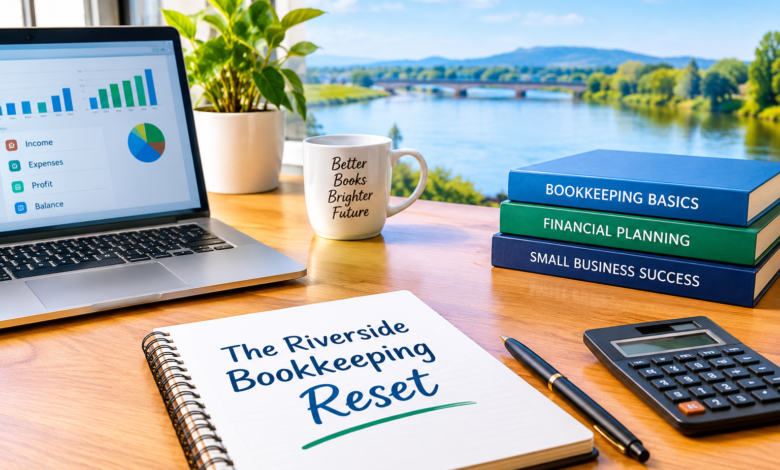
The Riverside Bookkeeping Reset is about creating a cleaner, more organized approach to business finances. A bookkeeping reset does not necessarily mean starting everything from scratch. Instead, it means reviewing existing records, correcting inconsistencies, organizing documents, and creating simple habits that make financial management easier.
Good records can help business owners monitor performance, prepare financial statements, track expenses, and support information reported on tax returns. The IRS also notes that businesses can choose a recordkeeping system suited to their operations as long as it clearly reflects income and expenses.
What Is The Riverside Bookkeeping Reset?
The Riverside Bookkeeping Reset is a practical way to bring business financial records back under control.
For some businesses, the reset may involve cleaning up several months of transactions. For others, it may simply mean improving an existing bookkeeping process. The goal is to create financial records that are accurate, organized, accessible, and easier to review.
A useful reset can include reviewing bank transactions, categorizing income and expenses, checking outstanding invoices, organizing receipts, reconciling accounts, and establishing a regular bookkeeping schedule.
Rather than treating bookkeeping as something that only matters during tax season, business owners can make it part of their normal operating routine.
Why Organized Bookkeeping Matters
Bookkeeping provides a financial picture of how a business is performing. Without organized records, it can be difficult to determine whether revenue is increasing, expenses are under control, or cash flow is becoming a concern.
Accurate records can also support the preparation of financial statements. According to the IRS, good records can help businesses monitor progress, identify income sources, track deductible expenses, prepare tax returns, and support reported tax information.
For a Riverside business owner, having organized financial information can make everyday decisions more informed. Decisions about spending, hiring, inventory, services, and business growth all benefit from knowing what the numbers actually show.
Start With A Financial Records Review
The first step in a bookkeeping reset is understanding the current situation.
Review recent bank statements, credit card activity, invoices, receipts, payroll information, and accounting records. Look for transactions that have not been categorized or reconciled.
This process can reveal common problems such as duplicated transactions, missing receipts, incorrect expense categories, unpaid invoices, or personal purchases recorded as business expenses.
Do not simply move everything into a new system without reviewing it. A reset should identify problems first and then establish a better process for the future.
Separate Business And Personal Finances
Keeping business and personal finances separate is an important bookkeeping habit.
A dedicated business bank account can make it easier to identify business income and expenses. It also reduces confusion when transactions are reviewed later.
The IRS recommends using a business checking account for business purposes and keeping business and personal financial activity separate. This separation can make bookkeeping more straightforward and provide clearer documentation for business transactions.
For entrepreneurs who have previously mixed personal and business spending, the bookkeeping reset can be an opportunity to establish cleaner financial boundaries.
Reconcile Accounts Regularly
Bank reconciliation is one of the most important parts of maintaining reliable books.
Reconciliation means comparing the transactions recorded in the bookkeeping system with the corresponding bank statement. Differences can occur because of bank fees, outstanding checks, deposits that have not cleared, timing differences, or recording errors.
The IRS describes monthly reconciliation as a useful practice for confirming account balances and identifying errors.
A consistent monthly review is generally easier than allowing several months of transactions to accumulate. Regular reconciliation also gives business owners an opportunity to identify unusual or unexpected activity sooner.
Organize Receipts And Supporting Documents
Receipts and other supporting documents are important because they provide evidence behind financial transactions.
Business records can include invoices, receipts, sales records, deposit information, paid bills, and other documents supporting income and expenses. The IRS advises businesses to keep supporting documents in an orderly and secure manner.
Digital organization can make this process easier. Businesses can establish folders based on year, month, vendor, expense category, or another structure that fits their operations.
The most important factor is consistency. A simple system that is used regularly can be more useful than a complicated system that is difficult to maintain.
Review Income And Expenses
Once records are organized, review where the business is making and spending money.
Start by examining major sources of revenue. Then review recurring expenses, operating costs, subscriptions, supplies, payroll, professional services, and other relevant categories.
The purpose is not simply to reduce every expense. Some expenses support growth and productivity. Instead, the goal is to understand what the business is spending and why.
This review can also help identify expenses that are no longer necessary or services that are being paid for but rarely used.
Create A Monthly Bookkeeping Routine
A bookkeeping reset becomes valuable when it leads to sustainable habits.
Consider establishing a monthly routine that includes:
- Recording new income and expenses
- Reviewing unpaid invoices
- Organizing receipts and supporting documents
- Reconciling bank and credit card accounts
- Checking major expense categories
- Reviewing financial statements
- Backing up important records
- Investigating unusual transactions
The exact routine will depend on the size and nature of the business. A small service business may require a simpler system than a company with employees, inventory, and multiple revenue streams.
Use Accounting Technology Carefully
Modern accounting software can simplify transaction organization and reporting. Electronic accounting records can be useful, but they still need to be accurate and complete.
Technology should support good bookkeeping practices rather than replace them.
Automatic transaction imports, digital receipt storage, invoicing systems, and financial reports can save time. However, transactions should still be reviewed and categorized appropriately.
A system that automatically imports an incorrect transaction does not automatically create accurate books.
Know When Professional Help May Be Useful
Some bookkeeping tasks are straightforward, while others become more complicated as a business grows.
A business owner may consider professional bookkeeping assistance when records are significantly behind, transactions are difficult to categorize, multiple accounts need reconciliation, payroll is involved, or financial reporting has become too time-consuming.
Professional support can also be useful when a business wants to establish a more structured accounting process.
The important point is that bookkeeping should match the needs and complexity of the business.
Build A Better Financial Future
The Riverside Bookkeeping Reset is ultimately about creating clarity.
A clean bookkeeping system can make it easier to understand revenue, expenses, cash activity, and overall business performance. It can also reduce the stress that comes from searching for missing documents or trying to reconstruct old transactions.
A reset does not have to happen all at once. Businesses can begin with one account, one month, or one category and gradually establish a consistent system.
The strongest bookkeeping process is one that can be maintained over time.
Final Thoughts
The Riverside Bookkeeping Reset offers a practical opportunity for business owners to move from financial clutter toward better organization. By reviewing existing records, separating business and personal finances, reconciling accounts, organizing supporting documents, and establishing a regular monthly routine, businesses can create a clearer financial foundation.
Bookkeeping may not be the most visible part of running a business, but accurate financial records can support better management and more confident decision-making. A fresh start today can make tomorrow’s financial tasks considerably easier.




