Introduction
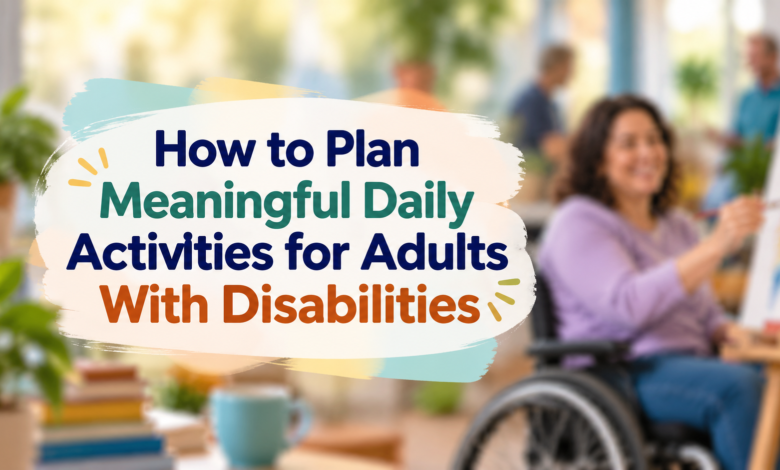
Practical ideas for building enjoyable routines that support independence, personal interests, social connections, and everyday well-being.
A meaningful day is not about staying busy from morning until night. It is about having opportunities to make choices, enjoy favourite activities, learn something new, and feel connected to other people.
For adults with disabilities, daily activities can offer a sense of purpose, encourage independence, and make everyday life more enjoyable. But the right routine looks different for everyone.
Some adults enjoy cooking, gardening, or meeting friends. Others prefer art, music, quiet reading, or outdoor activities. What matters most is whether the person enjoys the experience and has a say in how their time is spent.
Learning how to plan meaningful daily activities for adults with disabilities starts with understanding the individual, not simply filling a timetable.
Quick Facts About Daily Activity Planning
| Topic | Details |
|---|---|
| Main purpose | Support choice, independence, enjoyment, and participation |
| Suitable for | Adults with physical, intellectual, sensory, or other disabilities |
| Activity types | Creative, physical, social, educational, and everyday living activities |
| Planning approach | Person-centred and flexible |
| Helpful tools | Visual calendars, reminders, adaptive equipment, and communication aids |
| Ideal routine | A balanced mix of enjoyable activities, responsibilities, and rest |
| Main consideration | Individual interests, accessibility needs, and personal preferences |
Why Meaningful Activities Matter
Everyone deserves opportunities to spend their time doing things they value.
For adults with disabilities, meaningful activities can support physical health, emotional well-being, confidence, and participation in everyday life.
The Centers for Disease Control and Prevention (CDC) explains that disability inclusion involves removing barriers that prevent people from taking part in activities within their communities.
This includes opportunities to work, study, build relationships, enjoy recreation, and use public services.
A person who enjoys preparing meals might feel proud of cooking dinner. Someone interested in music may look forward to attending a local concert. Another adult might enjoy volunteering at an animal shelter or learning a new computer skill.
These experiences are more than ways to pass time. They can give people opportunities to make decisions, contribute, and enjoy activities that reflect who they are.
Start by Understanding Individual Interests
The first step is simple: find out what the person actually enjoys.
A carefully arranged schedule will not feel meaningful if it contains activities the individual dislikes.
Ask questions such as:
- What activities make you happy?
- Do you prefer spending time indoors or outdoors?
- Would you like to learn something new?
- Do you enjoy being around groups or prefer quieter activities?
- Is there something you used to enjoy and would like to try again?
- What would you like to do more often?
Not everyone communicates their preferences through spoken words. Some people may use pictures, communication devices, gestures, sign language, or other methods.
Support workers and family members should make space for those communication methods rather than assuming what someone wants.
The important rule is to plan with the person, not just for them.
Build a Routine Without Making Every Hour Busy
Predictable routines can make daily activities easier to manage for people who appreciate structure.
However, a strict schedule can also become frustrating.
A balanced routine usually includes personal care, meals, preferred activities, social interaction, practical tasks, and time to relax.
For example, someone might enjoy a quiet morning, a creative activity after lunch, and an evening with family.
Another person may prefer active mornings and plenty of rest during the afternoon.
Neither routine is automatically better.
The aim is to create enough structure to support daily life while leaving room for personal choices and unexpected changes.
Choose Creative Activities That Encourage Self-Expression
Creative hobbies offer opportunities to communicate feelings, develop interests, and enjoy personal achievements.
Painting, drawing, photography, crafts, and music can be adapted to different physical and communication needs.
Some enjoyable options include:
- Painting with brushes or adapted grips
- Making greeting cards or scrapbooks
- Taking photographs with a phone
- Playing accessible musical instruments
- Listening to music and creating playlists
- Making simple decorations or handmade gifts
- Writing stories, poetry, or personal journals
The finished product does not need to look perfect.
A person might enjoy selecting colours, choosing music, or deciding which photographs to display.
Those decisions are meaningful parts of the experience.
Choose age-appropriate materials and adjust the tools or instructions where needed. Adults should have access to activities that respect their interests and personal identity.
Include Physical Activities Based on Individual Abilities
Movement can be an enjoyable part of a daily routine.
The activity should suit the person’s physical abilities, interests, health needs, and available support.
The World Health Organization recommends that adults living with disabilities undertake regular physical activity. Its general guidance includes 150–300 minutes of moderate-intensity aerobic activity each week for adults who can safely achieve that level.
It also recognises that doing some physical activity is better than doing none.
Possible activities include walking, wheelchair-based movement, adapted dance, swimming, gentle stretching, and suitable group sports.
The CDC also identifies adapted yoga and resistance-band exercises as possible strengthening activities.
Start with manageable sessions rather than forcing long workouts. A person who enjoys ten minutes of movement may gradually choose to spend more time being active.
A healthcare professional or qualified physical activity specialist can help determine suitable exercises when medical conditions or physical limitations require extra care.
Encourage Everyday Independence Through Practical Tasks
Meaningful activities do not always require special equipment or organised programmes.
Many opportunities already exist at home.
Preparing food, organising belongings, shopping, and caring for plants can offer a sense of responsibility and personal ownership.
An adult might choose meals for the week, sort laundry, water plants, or prepare a shopping list.
Support should match what the person wants and can safely do.
For instance, someone who finds chopping vegetables difficult might still choose ingredients, wash produce, or use suitable adaptive kitchen equipment.
The purpose is not to complete every task without help. Independence can also mean making decisions, directing assistance, and controlling how an activity is completed.
Make Social Connections Part of Everyday Life
Spending time with other people can help build friendships and a sense of belonging.
However, social activities should reflect personal preferences.
Some adults love large groups and lively conversations. Others find smaller gatherings more comfortable.
Options might include visiting friends, attending a community class, joining a hobby club, participating in a book group, or meeting someone for coffee.
Online communities and video calls can also help people stay connected, particularly when travelling presents difficulties.
Before arranging group activities, consider communication access, transport, sensory needs, and whether the environment is welcoming.
Most importantly, allow the person to decide whom they want to spend time with.
Use Learning Activities to Support Personal Goals
Learning does not stop when someone finishes school.
Adults with disabilities may want to develop skills for employment, improve digital confidence, pursue hobbies, or gain knowledge about a favourite subject.
Depending on their interests, useful learning activities could include computer lessons, cooking classes, language learning, financial literacy, photography, or accessible online courses.
Small goals often work well.
For example, a person who wants to learn photography might begin by practising with a phone camera. Later, they could experiment with lighting, editing, and creating a photo album.
Progress should be measured against the individual’s own goals, rather than comparing them with other people.
Plan Accessible Community Outings
Going outside the home can add variety to a weekly routine.
A visit to the library, museum, park, café, or community centre may provide opportunities to enjoy new surroundings and participate in local life.
Accessibility planning matters.
Before visiting, check whether the venue has suitable entrances, toilets, seating, transport connections, and any necessary communication or sensory accommodations.
Some people may also benefit from knowing what to expect before arriving.
Photographs of the venue, a simple itinerary, or information about quieter visiting times can make planning easier.
A successful outing is one the person finds worthwhile, whether it lasts twenty minutes or several hours.
Create a Flexible Daily Activity Schedule
A sample timetable can help families, caregivers, and support workers organise the day.
The following example is a starting point, not a fixed programme.
| Time | Suggested activity | Purpose |
|---|---|---|
| 8:00 AM | Breakfast and morning routine | Personal choice and daily living |
| 9:00 AM | Walk, adapted movement, or stretching | Physical well-being |
| 10:00 AM | Art, music, reading, or favourite hobby | Enjoyment and creativity |
| 11:30 AM | Help prepare lunch | Participation in everyday tasks |
| 12:30 PM | Lunch and rest | Nutrition and relaxation |
| 2:00 PM | Community outing, class, or social activity | Friendship and participation |
| 4:00 PM | Free time or personal interests | Independence and choice |
| 6:00 PM | Dinner and household routine | Everyday living |
| 7:00 PM | Film, music, conversation, or quiet hobby | Leisure and relaxation |
Activity times should change according to work, appointments, energy levels, personal care needs, and individual preferences.
Some adults may prefer only one or two planned activities each day. Others may enjoy a fuller schedule.
A good timetable supports the person. It should never control their entire day.
Adapt Activities for Different Accessibility Needs
Two people with the same disability may have completely different interests and support needs.
That is why activity planning should focus on the individual.
For someone with limited mobility, adaptations might include accessible workspaces, adapted gardening tools, or wheelchair-friendly recreation.
A person with a visual impairment might enjoy audiobooks, tactile crafts, accessible technology, or audio-described performances.
For someone with hearing loss, useful adjustments may include captions, sign language interpretation, visual instructions, or appropriate communication technology.
Adults with intellectual disabilities may find plain-language instructions, picture-based schedules, or clearly explained steps helpful.
People with sensory sensitivities may prefer quieter spaces, adjustable lighting, or opportunities to take breaks.
These are possibilities, not assumptions. The person should have the opportunity to say which adjustments are useful.
Use Technology to Make Planning Easier
Technology can make everyday routines more accessible.
Smartphones, tablets, reminder applications, and communication devices can support organisation and personal decision-making.
A visual calendar might show appointments and planned activities. Voice assistants can provide reminders, while accessible apps can help someone follow a recipe or organise a shopping list.
Technology may also support leisure through audiobooks, games, music, and video conversations.
Choose tools that match the person’s abilities and preferences. A simple paper calendar may work better than an elaborate application, while another individual might prefer a fully digital routine.
Give People Real Choices Throughout the Day
A person-centred routine requires more than offering a choice between two activities.
Adults should have a meaningful say in how they spend their time.
That includes deciding when to participate, when to stop, whom to invite, and whether they want to try something different.
For example, someone who enjoys gardening might prefer caring for indoor plants rather than attending a gardening group.
A person who usually attends an art class may occasionally choose to stay home.
Preferences can change.
Respecting those decisions helps maintain dignity and self-direction.
Family members and support staff can offer assistance without taking over decisions that the adult is able to make or direct.
Allow Enough Time for Rest
Not every part of the day needs a scheduled activity.
Rest, quiet time, and personal space are important.
Some adults experience fatigue, pain, sensory overload, or fluctuating energy levels. Even enjoyable experiences can become tiring.
Build breaks into the routine and allow activities to be shortened, postponed, or cancelled when necessary.
Quiet activities might include listening to music, reading, spending time outdoors, or simply relaxing.
Rest should be respected as a choice, not treated as a failure to participate.
Review Activities and Make Changes Over Time
A routine that works today may not work six months from now.
Interests change. New opportunities appear. Health and support needs can also change.
Review the schedule regularly with the individual.
Ask which activities they enjoyed, what they would like to stop doing, and what new experiences interest them.
Supporters can also watch for practical barriers such as inaccessible transport, overly long sessions, uncomfortable environments, or insufficient breaks.
The goal is not to complete a predetermined number of tasks.
It is to keep the routine relevant, enjoyable, and responsive to the person’s wishes.
Common Mistakes to Avoid
Even well-intentioned planning can become unhelpful when the individual has too little control.
Common mistakes include:
- Filling the entire day without allowing free time
- Choosing activities based only on disability labels
- Offering activities that do not respect adult interests
- Ignoring accessibility or communication needs
- Treating every activity as a lesson or therapy session
- Measuring success only by productivity
- Continuing an activity when the person no longer wants to participate
One of the easiest mistakes is assuming that being busy means having a meaningful day.
It doesn’t.
A quiet afternoon spent enjoying a favourite book may be more valuable to someone than attending several activities they did not choose.
Final Thought
Planning meaningful daily activities for adults with disabilities begins with respect for personal interests, choices, and goals.
Creative hobbies, exercise, practical responsibilities, learning opportunities, and social connections can all have a place in a balanced routine.
But there is no single schedule that works for everyone.
The best plan is one that gives the adult opportunities to enjoy life, make decisions, participate in their community, and spend time on activities that genuinely matter to them.
Sometimes, a meaningful day is full of new experiences.
Other times, it is quiet and familiar.
Both can be equally worthwhile.
Frequently Asked Questions (FAQs)
1. What are meaningful activities for adults with disabilities?
Meaningful activities are experiences that reflect a person’s interests, choices, needs, and goals. They may include hobbies, physical activity, learning, volunteering, socialising, or everyday household tasks.
2. How do you create a daily routine for an adult with a disability?
Start by discussing the person’s interests and preferences. Include meals, rest, responsibilities, and enjoyable activities, then adjust the schedule based on accessibility needs and personal choices.
3. What indoor activities are suitable?
Indoor options include painting, cooking, music, photography, reading, puzzles, accessible gaming, gardening, and online classes. The best choice depends on individual interests.
4. How can adults with limited mobility stay active?
Options may include wheelchair-based movement, adapted exercise, swimming, or seated activities. A healthcare professional can advise on suitable physical activities where needed.
5. Why is social interaction important?
Social interaction can create opportunities for friendship, emotional support, shared interests, and community participation. The amount and type of interaction should reflect the person’s preferences.
6. Should every activity focus on learning a skill?
No. Enjoyment, relaxation, creativity, and spending time with friends are worthwhile in their own right. Not every activity needs a developmental or educational goal.
7. How can caregivers encourage participation without pressure?
Offer genuine choices, explain activities in accessible ways, remove practical barriers, and respect the person’s decision not to participate.
8. How often should a daily activity plan be reviewed?
Review the plan whenever the person’s preferences, circumstances, or support needs change. Regular informal discussions can help keep activities enjoyable and suitable.