Lee Bowyer: Powerful Career, Controversial Moments and Lasting Football Legacy
The Powerful Career, Controversial Moments and Lasting Legacy of an English Football Figure

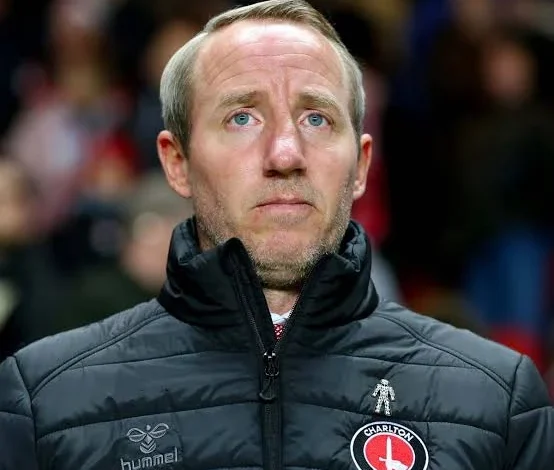
Introduction
Lee Bowyer is a former English professional footballer and English football manager whose career combined outstanding midfield performances, major European nights, domestic success and several controversial moments. Born on January 3, 1977, in Canning Town, London, he became one of the notable English midfielders of his generation after developing through Charlton Athletic’s youth system. He later represented several major clubs, including Leeds United, West Ham United, Newcastle United, Birmingham City and Ipswich Town.
Bowyer’s strongest playing years came at Leeds United, where he helped the club reach the semi-finals of the UEFA Cup and UEFA Champions League. He also earned one senior England cap and won the League Cup with Birmingham City in 2011. His career was not without difficulties, but his later transition into management created another important chapter, particularly when he guided Charlton Athletic to promotion to the Championship in 2019.
Quick Bio
| Category | Details |
|---|---|
| Full Name | Lee David Bowyer |
| Date of Birth | January 3, 1977 |
| Birthplace | Canning Town, London, England |
| Nationality | English |
| Profession | Former professional footballer and football manager |
| Playing Position | Midfielder |
| Height | 175 cm |
| Youth Clubs | Senrab, Charlton Athletic |
| Senior Debut | Charlton Athletic |
| Major Club | Leeds United |
| Premier League Appearances | 397 |
| Premier League Goals | 57 |
| England Caps | 1 |
| Major Trophy | League Cup with Birmingham City |
| Managerial Highlight | Charlton Athletic promotion in 2019 |
Early Life and Football Beginnings
Lee David Bowyer was born in London and developed his football ability in East London. His early development included Senrab, a well-known youth football club, before he progressed into the professional academy structure at Charlton Athletic.
He joined Charlton as a trainee in 1994 and quickly progressed into senior football. His first-team debut came during the 1994–95 season, and his performances immediately suggested that he possessed the energy, competitiveness and attacking qualities needed to succeed at a higher level.
Charlton Athletic Career
Bowyer began his senior career with Charlton Athletic in 1994. During his time with the club, he made 46 league appearances and scored eight league goals.
His development at Charlton attracted attention from bigger clubs. By the summer of 1996, Leeds United completed his transfer for approximately £2.7 million, which was reported at the time as a British record fee for a teenager. The move became a major turning point in his career.
Leeds United and European Success
Bowyer spent seven years with Leeds United and became one of the most recognizable players of the club’s successful era around the turn of the millennium. He made 203 league appearances and scored 38 league goals for Leeds according to career records.
His most memorable achievements came in European competition. Leeds reached the UEFA Cup semi-finals in the 1999–2000 season and then progressed to the UEFA Champions League semi-finals in 2000–01. Bowyer was an important attacking midfielder during these campaigns and scored six Champions League goals in the 2000–01 competition.
A Talented but Competitive Midfielder
Bowyer was known for his energetic and aggressive midfield style. He could contribute goals, create opportunities and provide attacking movement from central areas.
His Premier League statistics show the scale of his contribution. He finished with 397 Premier League appearances, 57 goals and 38 assists. He also recorded 99 yellow cards and four red cards, illustrating the highly competitive nature of his playing style.
England International Career
Bowyer represented England at youth level before reaching the senior national team. He played for England Under-18s and Under-21s and eventually earned his senior debut.
His only England senior appearance came in 2002 against Portugal. He finished his senior international career with one cap and no goals. Although his international career was brief, reaching the England senior team represented an important achievement in his playing career.
West Ham United and Newcastle United
After leaving Leeds in 2003, Bowyer joined West Ham United. His first spell at the club was short before he moved to Newcastle United later that year.
At Newcastle, he played under manager Sir Bobby Robson and spent three seasons at the club. He made 79 league appearances and scored six goals according to career records. His Newcastle period included Premier League football and European competition.
Bowyer later returned to West Ham in 2006. He remained there until 2009, adding another 41 league appearances and four goals to his career record.
Birmingham City and His Major Trophy
Bowyer joined Birmingham City in 2009 and experienced one of the most successful moments of his playing career.
In 2011, Birmingham City won the League Cup after defeating Arsenal in the final. The victory gave Bowyer a major domestic trophy and became a defining achievement from the later part of his playing career.
During his Birmingham career, he contributed goals and experience while competing in the Premier League. His Premier League record for Birmingham included 81 appearances and 10 goals.
Ipswich Town and Retirement
Bowyer joined Ipswich Town in 2011 for the final stage of his playing career. He made 29 league appearances and scored two goals during the 2011–12 season.
After more than 18 years of senior professional football, Bowyer retired from playing in 2012. His overall league record stands at 489 appearances and 68 goals, while his complete competitive record was higher when cup and European matches are included.
Career Timeline
| Year | Career Event |
|---|---|
| 1977 | Born in Canning Town, London |
| 1994 | Joined Charlton Athletic and began senior career |
| 1996 | Moved to Leeds United |
| 1999–2000 | Leeds reached UEFA Cup semi-finals |
| 2000–01 | Leeds reached Champions League semi-finals |
| 2002 | Earned his only England senior cap |
| 2003 | Joined West Ham United and Newcastle United |
| 2006 | Returned to West Ham United |
| 2009 | Joined Birmingham City |
| 2011 | Won League Cup with Birmingham City |
| 2011 | Joined Ipswich Town |
| 2012 | Retired as a professional player |
| 2018 | Became Charlton Athletic manager |
| 2019 | Guided Charlton to Championship promotion |
| 2021 | Became Birmingham City manager |
| 2022 | Left Birmingham City |
| 2023 | Took charge of Montserrat |
| 2025 | Ended his Montserrat managerial spell |
Transition to Management
After retirement, Bowyer moved into coaching and management. His playing experience at major English clubs gave him a strong foundation for his next career.
His most successful managerial achievement came at Charlton Athletic. He became manager in March 2018 and guided the club to promotion from League One during the 2018–19 campaign. Charlton won the play-off final at Wembley against Sunderland, securing a place in the Championship.
Birmingham City as a Manager
Bowyer returned to Birmingham City in March 2021, this time as an English football manager rather than a player.
His appointment created an interesting link with the club because he had previously helped Birmingham win the League Cup as a player. He remained manager until July 2022.
Montserrat Management Role
Bowyer later moved into international management with Montserrat. His career records list him as the national team’s manager from 2023 into the middle of the decade.
The role represented another stage in his development as a coach, allowing him to work in an international environment after years of experience in English club football.
Career Statistics and Achievements
Bowyer’s career statistics demonstrate his longevity at the highest level of English football.
His Premier League record includes 397 appearances, 57 goals and 38 assists. He also collected 99 yellow cards and four red cards during his Premier League career.
His major achievements include reaching the UEFA Champions League semi-finals with Leeds United, reaching the UEFA Cup semi-finals with Leeds, winning the League Cup with Birmingham City and guiding Charlton Athletic to promotion as a manager.
Controversial Moments
Bowyer’s career included several controversies that received substantial media attention. In 1995, he was suspended following an FA drugs test that detected traces of marijuana and was ordered to undergo rehabilitation. In 1996, he was fined after admitting affray following an incident at a London McDonald’s restaurant.
One of the most widely remembered incidents of his playing career occurred in 2005, when he became involved in an on-field confrontation with Newcastle teammate Kieron Dyer during a Premier League match. Both players were sent off, making the incident one of the most memorable disciplinary moments in Premier League history.
Personality and Public Image
Bowyer developed a reputation as a passionate, highly competitive and sometimes controversial footballer. His supporters appreciated his commitment and technical ability, while his disciplinary record contributed to a more complicated public image.
His later career in management provided an opportunity to demonstrate his knowledge of the game from a different perspective. His promotion success with Charlton became particularly important because it showed that his football career could extend beyond his achievements as a player.
Legacy in English Football
Lee Bowyer’s legacy is built around two very different sides of football. The positive side includes his outstanding Leeds years, European football, his England appearance, the League Cup triumph with Birmingham and his successful promotion campaign with Charlton.
The more difficult side involves disciplinary issues and controversies that followed him during his playing career. Nevertheless, his ability to remain involved in professional football for many years demonstrates his lasting connection with the sport. His career as both player and English football manager makes him a notable figure in modern English football history.
Conclusion
Lee Bowyer enjoyed an unusually eventful football career that stretched from his early days at Charlton Athletic to major European nights with Leeds United and a League Cup triumph with Birmingham City. His 397 Premier League appearances and 57 goals show the consistency he achieved at England’s highest domestic level, while his single England cap represents his place within the national setup.
His career also demonstrates how a footballer’s reputation can contain both impressive achievements and difficult moments. After retiring as a player, Bowyer successfully entered management and guided Charlton Athletic to promotion, giving his career a significant second chapter. Today, he remains remembered as a talented midfielder and experienced English football manager whose journey contains some of the most memorable chapters of his generation.
Frequently Asked Questions
1. Who is Lee Bowyer?
Lee Bowyer is a former English professional footballer and football manager who played mainly as a midfielder.
2. When was Lee Bowyer born?
Lee Bowyer was born on January 3, 1977, in Canning Town, London.
3. Where did Lee Bowyer begin his professional career?
He began his senior professional career with Charlton Athletic in 1994.
4. Which club was most important in Lee Bowyer’s playing career?
Leeds United was the defining club of his playing career, where he enjoyed major domestic and European success.
5. Did Lee Bowyer play for England?
Yes, he earned one senior England cap in 2002 and also represented England at youth level.
6. Did Lee Bowyer win a major trophy?
Yes, he won the League Cup with Birmingham City in 2011.
7. Does Lee Bowyer have a family background in football?
His publicly documented career records focus primarily on his own football development rather than establishing a detailed family football background.
8. When did Lee Bowyer retire as a player?
He retired from professional football in 2012 after more than 18 years in senior football.
9. What was Lee Bowyer’s biggest managerial achievement?
His biggest managerial achievement was guiding Charlton Athletic to promotion to the Championship in 2019.



